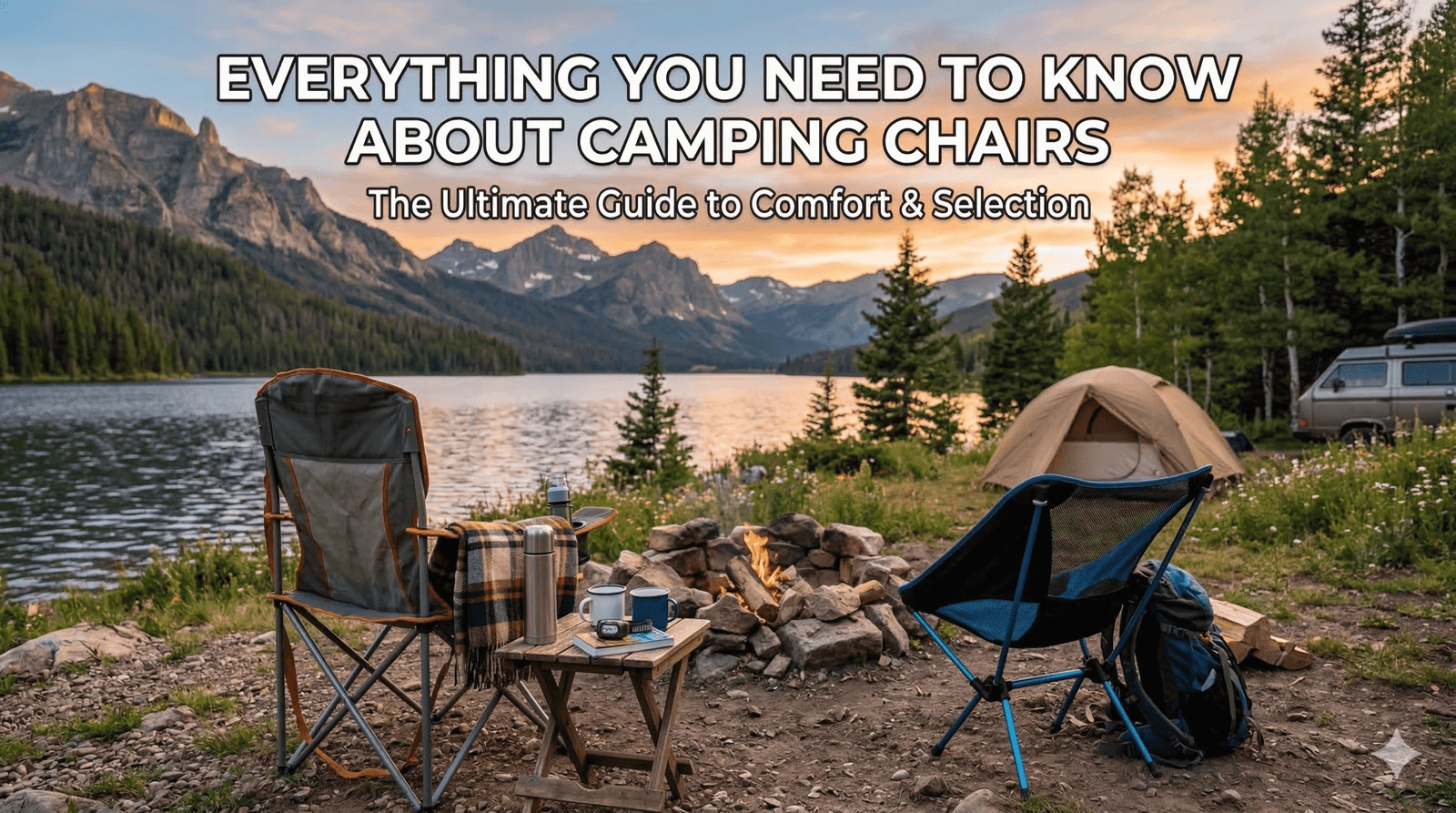
Tired of sitting on the cold, hard ground at your campsite? A bad seat ruins a good trip. Here is what you need to know.
A camping chair is a portable, foldable seat designed for outdoor use. The right one gives you comfort, support, and durability in the wild. Key factors include chair type, weight capacity, packability, and brand reputation. Knowing these details helps you pick the best option for your needs.
Camping chairs come in more shapes and sizes than most people expect. Each type serves a different purpose. Whether you are backpacking through the mountains or car camping at a state park, there is a chair built exactly for your situation. Keep reading to find out which one fits your adventure.
What Are the Different Types of Camping Chairs?
So many options, so little time. Choosing the wrong type means carrying extra weight or sacrificing comfort. Get to know your options first.
Camping chairs fall into five main categories: traditional folding chairs, backpacking chairs, rocking chairs, hammock-style chairs, and stools. Each type is built for a specific use case. Traditional folding chairs prioritize comfort. Backpacking chairs prioritize weight. Knowing the difference saves you from a bad purchase.
Each chair type has its own strengths and weaknesses. Here is a closer look at what sets them apart.
Traditional Folding Chairs
These are the most common type. They have four legs, a fabric seat, and armrests. They are great for car camping because weight is not a concern. They are bulky but very comfortable for long evenings around a campfire.
Backpacking Chairs
These are built for hikers. They are ultralight and compact. Many weigh under one pound. They sacrifice some comfort for portability. If you are hiking miles to your campsite, these are worth considering.
Rocking Chairs
Yes, rocking chairs exist for camping. They are heavier but give you a relaxing, back-and-forth motion. They work best at established campsites where you plan to stay for a few days.
Hammock-Style Chairs
These hang from a tree or a stand. They swing gently and feel very comfortable. Setup takes a bit more effort. They are best for lounging, not dining.
Camping Stools
Stools have no backrest. They are the smallest and lightest option. They work well for fishing, concerts, or quick breaks on the trail.
| Type | Best For | Weight Range | Comfort Level |
|---|---|---|---|
| Traditional Folding | Car camping | 4–8 lbs | High |
| Backpacking Chair | Hiking | 0.5–2 lbs | Medium |
| Rocking Chair | Extended stays | 8–15 lbs | Very High |
| Hammock-Style | Lounging | 3–6 lbs | High |
| Stool | Minimalist use | 0.5–2 lbs | Low |
If you want the best of both worlds — light enough to carry, comfortable enough to relax in — a quality backpacking chair or compact folding chair is your best starting point.
How to Choose the Right Camping Chair?
The wrong chair leaves you with back pain and regret. With so many options on the market, it is easy to feel lost. Focus on these key factors.
Choose a camping chair based on five factors: intended use, weight capacity, portability, material durability, and comfort features. Car campers should prioritize comfort. Backpackers should prioritize weight. Budget and brand reliability also matter. Matching the chair to your activity type is the most important step.
Picking the right camping chair is not complicated once you break it down. Here is how to think through each factor.
Intended Use
Ask yourself one question: how am I getting to my campsite? If you are driving, weight does not matter much. If you are hiking, every ounce counts. Your activity shapes every other decision.
Portability and Pack Size
Check the packed dimensions before buying. Some chairs fold down to the size of a water bottle. Others require a large carry bag. Make sure the packed size fits your pack or car trunk setup.
Material and Durability
Most chairs use either polyester or nylon fabric. Nylon is lighter and stronger. Polyester is more affordable. Frames are typically made from aluminum or steel. Aluminum is lighter. Steel is cheaper and more rigid.
Comfort Features
Look for features like padded armrests, lumbar support, cup holders, and adjustable recline. These small details make a big difference on a long camping trip.
Budget
You do not need to spend a lot to get a good chair. Decent options exist under $50. Premium chairs with ultralight frames and ergonomic design can cost $150 or more. Set a realistic budget based on how often you camp.
[Read more: best budget camping chairs under $50]
A chair that matches your trip style will always outperform a more expensive chair that does not fit your needs.
What Are the Most Popular Brands of Camping Chairs?
Not all camping chair brands are equal. Some build chairs that last a decade. Others fall apart after one season. Knowing the trusted names saves you money in the long run.
The most popular camping chair brands include Helinox, REI Co-op, ALPS Mountaineering, Coleman, and Kijaro. Helinox leads in ultralight design. Coleman leads in affordability. REI offers strong mid-range options. Each brand targets a different budget and use case.
Here is a deeper look at what each major brand offers and who they are best suited for.
Helinox
Helinox is the gold standard for ultralight camping chairs. Their chairs use aircraft-grade aluminum poles and high-tenacity nylon. They are expensive — most models cost $100 to $200 — but they are built to last and weigh almost nothing. Backpackers and serious outdoor enthusiasts love this brand.
Coleman
Coleman is the most accessible brand on this list. Their chairs are affordable, widely available, and durable enough for casual camping. A Coleman quad chair with a cooler bag attached costs around $30 to $50. If you camp a few times a year and drive to your site, Coleman is a solid choice.
ALPS Mountaineering
ALPS Mountaineering sits in the mid-range space. Their chairs offer better construction than budget brands without the premium price of Helinox. They are known for sturdy frames and reinforced stitching. A good choice for frequent campers who want reliability without overspending.
REI Co-op
REI builds chairs under its own brand label. These chairs offer a strong balance of comfort, durability, and price. REI also has a generous return policy, which gives buyers extra peace of mind. Their chairs are available in-store and online.
Kijaro
Kijaro makes compact, colorful camping chairs with a focus on dual-lock technology. This feature keeps the chair locked open or closed for easier use. Their chairs are popular among families and festival-goers.
| Brand | Price Range | Best For | Weight |
|---|---|---|---|
| Helinox | $100–$200+ | Backpackers | Ultralight |
| Coleman | $20–$60 | Casual campers | Heavy |
| ALPS Mountaineering | $50–$120 | Regular campers | Medium |
| REI Co-op | $50–$150 | All-around use | Medium |
| Kijaro | $40–$80 | Families | Medium |
[Read more: Helinox vs Coleman camping chair comparison]
What Are the Weight Limits for Different Camping Chairs?
Buying a chair that cannot support your weight is a safety risk. It is also a waste of money. Always check the weight limit before you buy.
Most standard camping chairs support between 225 and 300 pounds. Heavy-duty models handle 400 to 600 pounds. Ultralight backpacking chairs often have lower limits, around 265 pounds. Always check the manufacturer’s stated weight capacity before purchasing. Exceeding it can cause sudden failure.
Weight capacity varies widely across chair types and price points. Here is what you need to know to stay safe and comfortable.
Standard Chairs
Most folding chairs sold at outdoor retailers support 225 to 300 pounds. This covers the average adult comfortably. These chairs use a steel or aluminum frame with standard polyester fabric.
Heavy-Duty Chairs
Heavy-duty camping chairs are built with reinforced frames and wider seats. They typically support 400 to 800 pounds. Brands like KingCamp, Timber Ridge, and GCI Outdoor make reliable heavy-duty options. These chairs are slightly heavier but offer extra stability for larger individuals.
Ultralight and Backpacking Chairs
Lightweight chairs often have lower weight limits due to their minimalist construction. Most ultralight chairs max out at 265 to 300 pounds. A few premium options, like Helinox’s heavy-duty models, push that limit higher while keeping weight low.
Why Weight Limits Matter
Exceeding a chair’s weight limit does not just bend the frame. It can cause sudden collapse, which leads to injury. Always use a chair rated at least 20 to 30 pounds above your actual body weight. This gives you a safety margin and extends the chair’s lifespan.
Tips for Finding Weight Capacity
- Check the product label or packaging
- Look at the manufacturer’s website
- Read customer reviews for real-world feedback
- When in doubt, choose a model rated for more than you need
[Read more: best heavy-duty camping chairs for larger adults]
If you want a chair that safely holds your weight and still packs down small, look for brands that specifically engineer for both capacity and portability.
How to Properly Set Up a Camping Chair?
A collapsed chair mid-sit is not just embarrassing — it can hurt you. Most setup mistakes are avoidable with a few simple steps.
To set up a camping chair correctly: unfold the frame fully until all joints lock in place, spread the legs evenly on flat ground, attach or unfold the seat fabric if needed, and test stability before sitting. For pop-up and bungee-cord designs, pull the frame apart until it fully expands.
Setting up a camping chair takes less than a minute once you know what you are doing. Here is a step-by-step breakdown based on chair type.
Standard Folding Chair Setup
- Hold the chair upright by the carry handles.
- Pull the seat and back apart in one smooth motion.
- Unfold the legs downward and outward.
- Press each leg joint until you hear or feel a click.
- Place the chair on flat, stable ground.
- Apply slight downward pressure with your hand to test stability before sitting.
Backpacking Chair Setup (Pole-and-Clip Style)
- Remove the poles from the carry bag.
- Connect the pole sections — they click together using bungee cords inside.
- Slide the poles through the sleeves on the seat fabric.
- Lock the seat into position by connecting the feet to the pole ends.
- Check that all four corners are secure before sitting.
Common Setup Mistakes
Many people skip the step of testing the ground surface. Soft or uneven ground causes the chair to sink or tilt. Use a flat, firm surface whenever possible. On sandy or muddy ground, place something solid under the legs to prevent sinking.
Another common mistake is forcing joints that have not fully locked. If a joint resists, back it up slightly and try again. Forcing it can crack the frame.
Tips for Longer Chair Life
- Always store your chair dry to prevent mold on fabric
- Rinse off sand and dirt after each trip
- Lubricate metal joints occasionally with silicone spray
- Store in the carry bag to protect from UV damage
Proper setup extends the life of your chair significantly. A well-maintained chair can last five to ten years with regular use.
Conclusion
Camping chairs matter more than most people think. The right one boosts your comfort and safety outdoors. Know your chair type, weight limit, brand, and setup process. Ready to upgrade your outdoor experience? Find your perfect camping chair today.